Because in a Brain Stroke, Every Minute Saved Is a Life Saved.
Stroke is one of the leading causes of disability and death in India, and the only way to reduce its devastating impact is fast, expert, and coordinated emergency care. To ensure that stroke patients receive immediate medical attention, Marengo Asia Hospitals, Gurugram has launched the city’s first 24×7 Brain Stroke Helpline – 1800-309-0247 under the major awareness campaign “Strike Out Stroke (SOS)”.
This dedicated helpline enables instant access to neurologists, emergency teams, and stroke-ready ambulances, ensuring that treatment begins at the earliest possible moment—because in stroke care, every second counts.
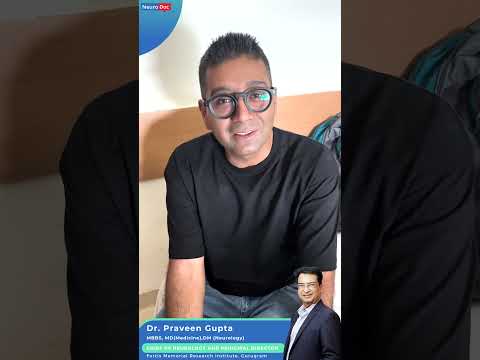
Under the leadership of Dr. Praveen Gupta, Chairman, Marengo Asia International Institute of Neuro and Spine (MAIINS) Gurugram, the initiative aims to save thousands of lives by reducing delays in stroke diagnosis, evaluation, and treatment.


The launch of the helpline was marked by a special Sufi music concert, designed to educate the public about early symptoms of stroke, the significance of the ‘golden hour’, and why immediate hospitalization can be life-saving.
The event helped bridge the awareness gap that often prevents families from recognizing the warning signs.
“Many patients reach hospitals too late because their families fail to identify the early signs of a stroke. This helpline instantly connects patients with neurologists and our emergency response team, significantly improving treatment outcomes.”
Stroke cases often occur late at night or early in the morning—times when families struggle to arrange transportation or medical care.
Data shows:
With the Marengo 24×7 Brain Stroke Helpline, patients receive immediate support, clear guidance, and fast intervention—dramatically increasing their chance of survival and recovery.
The helpline (1800-309-0247) connects callers directly to the stroke specialists at MAIINS.
Here’s what the service provides:
A stroke occurs when the blood supply to a part of the brain is interrupted or a blood vessel bursts.
If not treated immediately, brain cells begin to die within minutes.
This can result in:
Recognizing stroke symptoms is the first step toward saving a life.
Doctors recommend remembering FAST:
If you notice any of these, call the 24×7 Brain Stroke Helpline immediately.
Marengo Asia Hospitals, Gurugram offers the most advanced and fastest stroke treatment in the region.
The facilities include:
Seek emergency care if:
Stroke is unpredictable. Early treatment can prevent lifelong disability.
What to Expect During Emergency Stroke Care
When a stroke patient arrives at Marengo:
This rapid sequence improves survival and reduces complications.
Why Choose Marengo Asia Hospitals, Gurugram for Stroke Care?
If you are searching for the best neurologist for stroke treatment in Gurgaon, trust the expertise of Dr. Praveen Gupta and the team at Marengo Asia Hospitals. Whether it’s a TIA, ischemic stroke, or haemorrhagic stroke, Marengo Asia Hospitals offers the most advanced, timely, and comprehensive stroke care in Gurgaon.
It is Gurgaon’s first dedicated round-the-clock stroke emergency helpline (1800-309-0247) that connects patients directly with neurologists and dispatches stroke-ready ambulances for immediate treatment.
It provides instant medical guidance, quick assessment of symptoms, and fast ambulance support equipped with mobility aids and medical staff who begin primary intervention at your doorstep.
A stroke kills nearly 2 million brain cells every minute. Immediate treatment within the ‘golden hour’ significantly reduces disability and increases the chances of full recovery.
Stroke care at Marengo Asia Hospitals, Gurugram is headed by Dr. Praveen Gupta, one of India’s most experienced neurologists with expertise in stroke intervention and neurocritical care.
Sudden weakness on one side, slurred speech, vision loss, dizziness, loss of balance, and severe headache. Use FAST (Face–Arms–Speech–Time) to identify symptoms quickly.
Yes, Marengo Asia Hospitals treats ischemic strokes, hemorrhagic strokes, and TIAs (mini strokes) with advanced imaging, neuro ICU care, and neurosurgery when required.
Patients undergo structured rehab involving physiotherapy, speech therapy, balance training, and cognitive rehabilitation to regain independence and functionality.
Yes. Post-COVID lifestyle factors like smoking, stress, hypertension, and poor diet are increasing stroke cases even in people aged 25–45.