
When neurological symptoms appear, they often bring anxiety, confusion, and urgency. Whether it’s persistent headaches, dizziness, seizures, memory issues, numbness, tremors, or sudden weakness, finding the right indian neurologist near you becomes a priority.
But with so many doctors, hospitals, and online listings, patients frequently ask:
“How do I know which neurologist is truly the best for my condition?”
This guide will help you make an informed, confident decision.
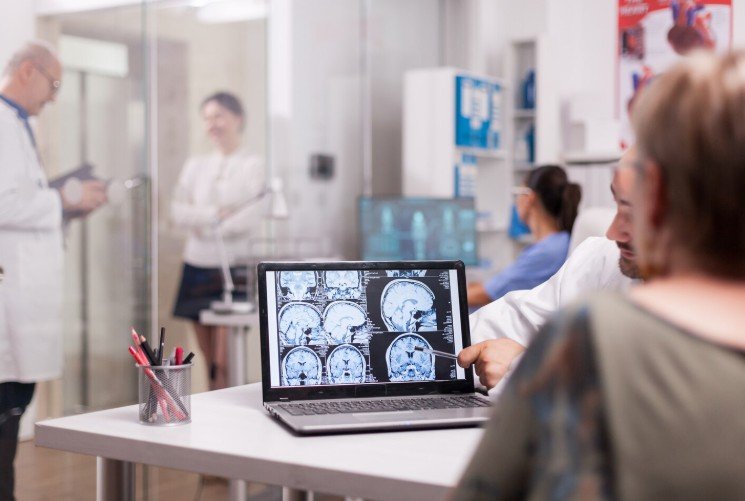
Neurological conditions are complex. The brain, spine, and nerves control nearly every function in your body. Even minor errors in diagnosis or treatment can lead to prolonged suffering or complications.
A skilled neurologist can:
• Identify subtle warning signs
• Provide accurate diagnosis
• Recommend appropriate tests
• Avoid unnecessary procedures
• Personalize treatment plans
• Improve quality of life
Before searching for a neurologist, reflect on your symptoms:
Common reasons to see a neurologist:
• Recurrent or severe headaches
• Seizures or epilepsy
• Dizziness or balance problems
• Stroke or mini-stroke symptoms
• Memory loss or confusion
• Numbness or tingling
• Tremors or involuntary movements
• Chronic neck/back nerve pain
• Sleep disorders
• Muscle weakness
Knowing your symptoms helps you find a specialist with relevant expertise.
While proximity is convenient, expertise is more important than distance — especially for serious conditions.
Instead of only searching:
“Neurologist near me”
Also consider:
• Best neurologist in your city
• Top neurologist in India
• Condition-specific specialists
• Teleconsultation options
Many leading neurologists, including experts like Dr Praveen Gupta, offer remote consultations, making world-class expertise accessible even if you live in another city.
A reliable neurologist should have:
• DM / DNB Neurology qualification
• Recognized institutional training
• Several years of clinical experience
• Experience treating your condition
Experience matters greatly in neurology.
A doctor who has managed thousands of stroke, epilepsy, migraine, or movement disorder cases develops deeper clinical judgment.
Neurology has subspecialties. Choose a doctor aligned with your issue.
| Condition | Ideal Specialist |
|---|---|
| Epilepsy / Seizures | Epileptologist |
| Stroke / Paralysis | Stroke Neurologist |
| Migraine / Headache | Headache Specialist |
| Parkinson’s / Tremor | Movement Disorder Specialist |
| Memory Loss | Cognitive Neurologist |
| Neuropathy | Neurophysiology Specialist |
Top neurologists often manage a broad spectrum but may have specific areas of excellence.
Online reviews can be helpful, but read critically.
Look for comments about:
• Doctor’s listening skills
• Clarity of explanation
• Treatment effectiveness
• Ethical practice
• Follow-up care
Avoid decisions based only on star ratings.
Neurology patients need clarity and reassurance.
A good neurologist:
• Explains diagnosis simply
• Discusses treatment options
• Encourages questions
• Avoids fear-based communication
• Sets realistic expectations
If you leave confused or intimidated, consider a second opinion.
Neurological diagnosis often requires:
• MRI / CT Scan
• EEG
• EMG / NCV
• Blood investigations
• Neuro-rehabilitation
Ensure the clinic or hospital has modern diagnostic facilities.
Be cautious if a doctor:
• Rushes consultation
• Avoids answering questions
• Prescribes excessive tests without explanation
• Guarantees unrealistic cures
• Pushes invasive procedures prematurely
Neurology treatment requires patience, precision, and honesty.
If you cannot access a top neurologist locally:
Teleconsultation is ideal for:
• Second opinions
• Chronic disease management
• Medication adjustments
• Follow-ups
Especially beneficial for stroke survivors, epilepsy patients, and elderly individuals.
Beyond credentials and reviews:
Ask yourself:
• Did the doctor listen carefully?
• Were my concerns acknowledged?
• Was the explanation understandable?
• Do I feel confident about the plan?
Your comfort matters.
Most consultations include:
1. Detailed symptom history
2. Medical & family history
3. Neurological examination
4. Review of previous reports
5. Diagnostic recommendations
6. Treatment planning
Bring:
• Past reports/scans
• Medication list
• Symptom notes
Highly respected neurologists like Dr Praveen Gupta, recognized among the best neurology doctors in India, are known for:
• Strong diagnostic accuracy
• Evidence-based treatment
• Multidisciplinary approach
• Ethical medical practice
• Compassionate patient care
Choosing an expert can significantly impact long-term outcomes.
If symptoms involve the brain, spine, or nerves — such as seizures, persistent headaches, unexplained dizziness, memory loss, tremors, or numbness — consult a neurologist.
Seek immediate care if you experience:
• Sudden weakness or paralysis
• Loss of speech
• Severe, unusual headache
• Sudden vision loss
• First-time seizure
These may indicate stroke or other emergencies.
Not always. But if headaches are severe, chronic, worsening, or resistant to treatment, a specialist consultation is advisable.
Some are curable, others manageable. Early diagnosis improves outcomes significantly.
Depending on symptoms:
• MRI / CT
• EEG
• EMG / NCV
• Blood tests
Yes, especially for:
• Major diagnoses
• Surgery recommendations
• Long-term medication plans
Yes, particularly for follow-ups, chronic disease care, and expert opinions.
It varies. Some conditions improve quickly; others require long-term management.
Absolutely. Sleep, stress management, diet, and exercise often complement medical treatment.
Bring reports, note symptoms, list medications, and prepare questions.
Searching for the best Indian neurologist near you is not just about convenience — it’s about expertise, trust, and quality care.
Take time to research, ask questions, and choose wisely.
Your brain and nervous system deserve nothing less than the best medical attention.