
Here is a fact that surprises most people: up to 80% of all strokes are preventable. As the Best Neurologist in India for Stroke Treatment, Dr. Praveen Gupta is passionate about prevention — because the best stroke is the one that never happens.
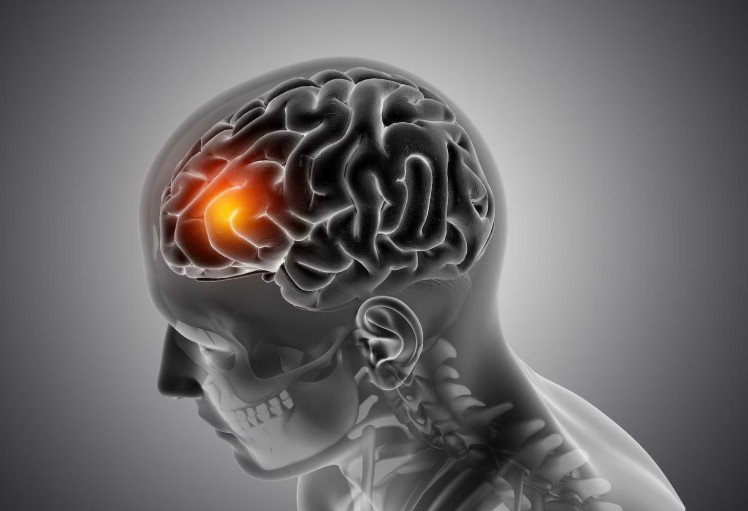
High blood pressure is responsible for more strokes than any other single factor. Dr. Praveen Gupta recommends keeping blood pressure below 130/80 mmHg. Monitor it regularly and take prescribed medications consistently — never stop without your doctor’s guidance.
Diabetes doubles the risk of stroke by damaging blood vessels throughout the body. Maintaining HbA1c below 7% is critical. A healthy diet, regular exercise, weight management, and consistent medication use are your most powerful tools.
Smoking nearly doubles stroke risk. The chemicals in cigarettes damage blood vessel walls, increase clotting tendency, and raise blood pressure. Within 2–5 years of quitting, stroke risk drops to near that of a non-smoker.
High LDL cholesterol builds as plaques inside artery walls. When these plaques rupture, they form clots blocking blood flow to the brain. Regular lipid panel testing and statin medication under Dr. Praveen Gupta’s guidance can significantly reduce this risk.
Atrial fibrillation causes blood to pool and clot in the heart. These clots can travel to the brain and cause stroke. AF accounts for up to 15% of all strokes. It can be silent — ECG screening is essential for anyone over 65 or with risk factors.
Physical activity improves blood pressure, reduces weight, lowers blood sugar, and improves cholesterol — addressing multiple risk factors at once. Dr. Praveen Gupta recommends at least 150 minutes of moderate-intensity exercise per week.
A diet rich in fruits, vegetables, whole grains, legumes, and healthy fats significantly reduces stroke risk. Limit salt, red meat, processed foods, and refined sugar. The Mediterranean and DASH diets have the strongest evidence for stroke prevention.
Obesity raises blood pressure, worsens diabetes, increases cholesterol, and promotes inflammation — all of which increase stroke risk. Even modest weight loss of 5–10% of body weight produces meaningful improvements across all these risk factors.
Heavy alcohol consumption raises blood pressure and can trigger atrial fibrillation. Limit yourself to no more than one standard drink per day for women and two for men. Avoid alcohol entirely if you have any existing cardiovascular risk factors.
Many of the biggest stroke risk factors produce no symptoms until a crisis occurs. Dr. Praveen Gupta — the Best Neurologist in India for Stroke — strongly recommends annual screening for everyone above the age of 40, including blood pressure, fasting glucose, lipid profile, and ECG.
If you have already had a stroke or TIA, the risk of a second event is highest in the days and weeks that follow. Dr. Praveen Gupta’s secondary prevention programme includes:
Q: At what age should I start worrying about stroke prevention?
A: Prevention should ideally begin in your 30s, especially with risk factors like hypertension, diabetes, or family history. However it is never too late. Dr. Praveen Gupta recommends annual health screenings from the age of 40.
Q: Can stroke prevention medication be stopped once risk factors are controlled?
A: Never stop any medication without consulting your neurologist. Many stroke prevention medications — particularly blood thinners for atrial fibrillation — must be continued long-term. Stopping suddenly can dramatically increase stroke risk.
Q: Is stress a major stroke risk factor?
A: Chronic stress contributes indirectly by raising blood pressure and promoting unhealthy coping behaviours. Stress management through mindfulness, exercise, adequate sleep, and social support is an important part of stroke prevention.
Q: Can yoga and meditation help prevent stroke?
A: Yes. Regular yoga and meditation have been shown to reduce blood pressure and improve overall cardiovascular health. They are a valuable complement to medical management, though not a replacement for medication when required.
Q: What tests should I ask for to assess stroke risk?
A: Blood pressure measurement, fasting blood glucose and HbA1c, lipid profile, ECG, and BMI assessment. Dr. Praveen Gupta may also recommend a carotid Doppler ultrasound for high-risk patients.
Q: Can strokes be prevented in young people?
A: Yes, though causes differ. In younger people, blood clotting disorders, patent foramen ovale, migraines with aura, and autoimmune diseases are more common. A thorough evaluation by Dr. Praveen Gupta is essential to identify and treat the underlying cause.