
In stroke medicine, there is a phrase every neurologist lives by: “Time is brain.” For every 60 seconds untreated, a patient loses approximately 1.9 million brain cells, 13.8 billion synapses, and 12 kilometres of nerve fibres. The difference between arriving at hospital in 30 minutes versus 3 hours can mean the difference between walking out independently or permanent disability. Dr. Praveen Gupta, widely regarded as the Best Stroke Specialist in India, has pioneered rapid-response stroke protocols that have transformed patient outcomes across India. Here is a complete guide to stroke treatment — from emergency arrival to the latest surgical interventions.
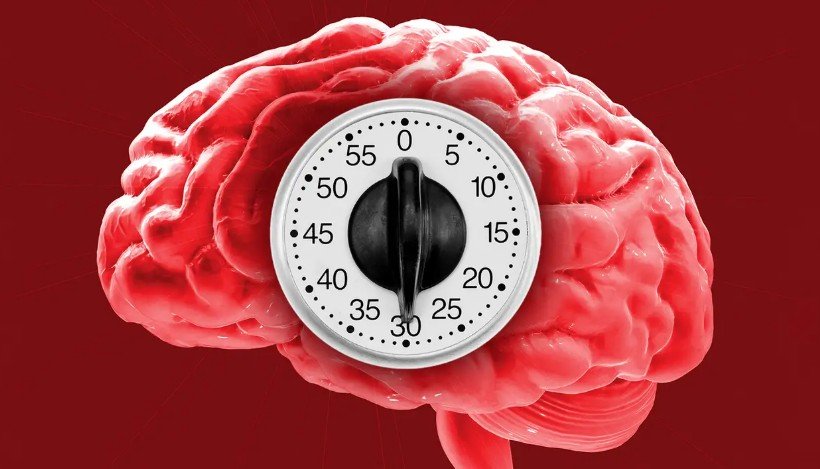
The ‘golden hour’ refers to the critical window — ideally within 60 minutes, at most within 4.5 hours — during which treatment for an ischaemic stroke is most effective. The clot-dissolving drug tPA must be administered within 4.5 hours of symptom onset. For mechanical thrombectomy — physically removing the clot — the window extends up to 24 hours in selected patients.
On arrival, the patient is immediately assessed. Vital signs are recorded, blood samples drawn, and a rapid neurological assessment performed using the NIH Stroke Scale.
A CT scan is performed immediately to determine whether the stroke is ischaemic or haemorrhagic — a critical distinction because treatments differ completely. MRI may follow for detailed imaging.
For eligible ischaemic stroke patients, intravenous tPA is administered to dissolve the clot. Dr. Praveen Gupta’s team maintains a door-to-needle time that consistently ranks among the fastest in India.
For large vessel occlusions, a catheter is navigated through the arteries to the clot site and physically extracted using a stent retriever. This procedure has revolutionised outcomes for severe strokes.
Following acute treatment, the patient is monitored in a dedicated stroke unit — managing blood pressure, blood sugar, and temperature — and early rehabilitation begins within 24–48 hours.
When a blood vessel ruptures in the brain, treatment focuses on controlling bleeding and reducing pressure. Options include:
Q: What is tPA and how does it work?
A: tPA (tissue plasminogen activator) is a clot-dissolving drug given intravenously. It activates the body’s natural clot-dissolving system to break up the blockage. It must be given within 4.5 hours of stroke onset.
Q: Is mechanical thrombectomy safe?
A: Yes. When performed by an experienced neuro-interventionist, mechanical thrombectomy is highly safe and effective — significantly improving outcomes even in severe strokes.
Q: What if the patient reaches the hospital too late for tPA?
A: Treatment options still exist. Mechanical thrombectomy may be possible up to 24 hours. Supportive care, secondary prevention, and rehabilitation can still greatly improve outcomes.
Q: How quickly should a stroke patient reach the hospital?
A: As quickly as possible — ideally within 60 minutes of symptom onset. Every minute of delay results in irreversible brain tissue loss. Call emergency services immediately.
Q: What happens after the initial treatment?
A: Patients are moved to the stroke unit for monitoring and begin early rehabilitation — physiotherapy, speech therapy, and occupational therapy — often within 24–48 hours.
Q: Does Dr. Praveen Gupta treat all types of stroke?
A: Yes. Dr. Praveen Gupta, the Best Stroke Specialist in India manages all types of stroke including ischaemic stroke, haemorrhagic stroke, TIA, and rare causes such as cerebral venous sinus thrombosis.