
Epilepsy affects millions of people worldwide — and India is no exception. It is a neurological condition characterized by recurrent unprovoked seizures. Despite being common, epilepsy continues to carry stigma, fear, and misunderstanding for many patients and families.
Fortunately, modern medicine has made significant strides in epilepsy care. From advanced diagnostic tools to personalized treatment plans and cutting-edge surgical options, epilepsy treatment in India has dramatically evolved. Patients now have access to comprehensive care that offers improved seizure control and enhanced quality of life.
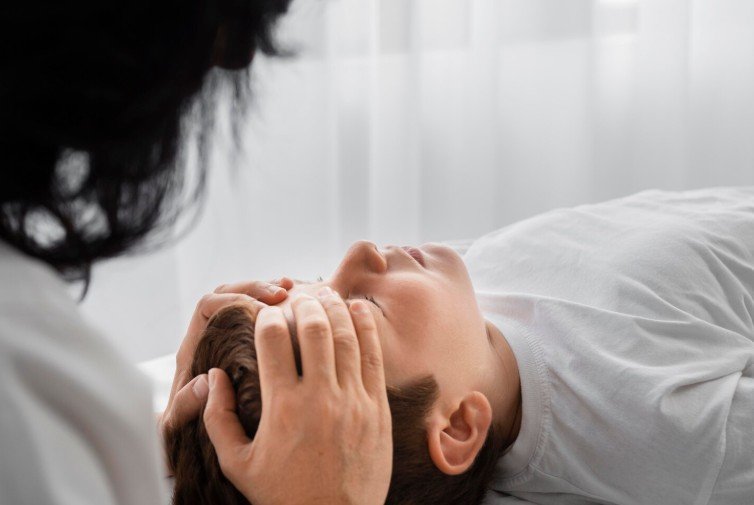
In this article, we explore the most effective modern approaches to epilepsy treatment in India, highlight success rates, and explain why consulting an expert neurologist such as Dr. Praveen Gupta — Best Neurology Doctor in India can make all the difference.
Epilepsy is a disorder of the brain’s electrical system, causing sudden burst of abnormal electrical activity that results in seizures. Seizures vary in severity and presentation — from brief lapses in awareness to full-body convulsions.
The causes of epilepsy are diverse and may include:
• Genetic factors
• Brain injury or trauma
• Stroke
• Infections affecting the brain
• Developmental disorders
• Unknown causes (idiopathic epilepsy)
Diagnosis and treatment are tailored to the individual patient and seizure type.
Effective treatment begins with accurate diagnosis. Recent advances have made epilepsy diagnosis more precise than ever:
Video Electroencephalography (EEG) is the gold standard for capturing seizures as they occur, allowing doctors to correlate electrical activity with physical symptoms.
Advanced MRI scans help detect subtle structural abnormalities in the brain that may trigger seizures.
Techniques like PET and SPECT scans evaluate brain function and help localize seizure activity.
Genetic panels can identify epilepsy-related mutations, which may inform treatment decisions.
These diagnostic tools help neurologists pinpoint the type of epilepsy and choose the most effective treatment plan.
Medications remain the foundation of epilepsy management. Anti-seizure medications (also known as antiepileptic drugs) aim to control seizures and reduce frequency and intensity.
• Selection depends on seizure type
• Some patients achieve full seizure control
• Some may require combination therapy
• Side effects are managed with careful monitoring
• Newer drugs offer better tolerability
The goal is seizure freedom without significant side effects.
While most patients achieve good control with medications, some individuals have drug-resistant epilepsy (DRE), meaning seizures persist despite adequate medication trials.
In such cases, epilepsy surgery may be recommended.
The portion of the brain responsible for seizures is removed.
A minimally invasive technique using MRI-guided lasers to target seizure focus.
Surgical interruption of nerve fibers connecting brain hemispheres to reduce seizure spread.
Used in select severe cases, particularly in children.
These include:
• Vagus Nerve Stimulation (VNS)
• Responsive Neurostimulation (RNS)
These therapies help reduce seizure frequency when resection is not possible.
India offers world-class epilepsy care through comprehensive epilepsy programs that include:
• Multidisciplinary evaluation
• Epilepsy monitoring units (EMU)
• Specialized surgical teams
• Long-term follow-up protocols
Hospitals with dedicated epilepsy programs provide coordinated care that combines diagnostics, medication management, and surgical planning.
Patients can now access advanced care that was previously available only in select global centers.
Success in epilepsy treatment is individualized, but overall trends are encouraging:
Up to 70% of patients achieve significant seizure control or complete remission with optimal medication management.
In carefully selected candidates:
• 50–70% experience meaningful seizure reduction
• A substantial subset becomes seizure-free
Success depends on:
• Accurate localization of seizure focus
• Patient age
• Overall health
• Timely intervention
With specialized care and precise decision-making, many patients lead productive lives with minimal seizure disruption.
Epilepsy is not just a medical diagnosis — it impacts education, employment, driving privileges, mental health, and social engagement.
Delayed or suboptimal treatment can lead to:
• Injury during seizures
• Status epilepticus (medical emergency)
• Cognitive decline
• Emotional and psychological stress
• Medication side effects without benefit
Early consultation with an epilepsy expert improves outcomes, reduces unnecessary medication changes, and opens pathways to advanced treatments if needed.
Choosing the right neurologist ensures a comprehensive and compassionate approach to epilepsy care.
Dr. Praveen Gupta is recognized as one of the Best Neurology Doctors in India, with specialized expertise in:
• Personalized epilepsy evaluation
• Advanced EEG interpretation
• Neuroimaging assessment
• Medication optimization
• Epilepsy surgery referrals
• Long-term seizure management
• Patient and family education
Patients under expert care benefit from individualized treatment plans that prioritize seizure control, safety, and quality of life.
Drug-resistant epilepsy occurs when seizures persist despite trials of two or more appropriate anti-seizure medications.
If seizures continue after initial treatments, begin in adulthood, or significantly impact daily life, expert consultation is recommended.
Yes. Many patients achieve seizure freedom with the right combination of medication and, when needed, surgery.
Epilepsy surgery, performed in specialized centers, has favorable safety profiles when indicated and planned carefully.
Medication choice depends on seizure type, age, comorbid conditions, and lifestyle factors.
Yes. Neurostimulation therapies like VNS and RNS help reduce seizure frequency.
In some cases, especially with successful surgical intervention, patients can achieve long-term remission or cure.
With proper treatment and monitoring, many patients live normal life spans.
Yes. Stress management, sleep hygiene, medication adherence, and avoiding seizure triggers are beneficial.
Regular follow-ups are critical — every few months or as recommended, depending on seizure control.
Epilepsy treatment in India has evolved from basic medication approaches to a full spectrum of advanced care, including precise diagnostics, personalized medication plans, and surgical interventions. With experienced neurologists like Dr. Praveen Gupta, patients gain access to world-class epilepsy care tailored to their unique needs.
Whether you are newly diagnosed or seeking second opinions, expert guidance influences outcomes and quality of life. With modern advances and dedicated care, epilepsy management today offers genuine hope and improved success rates for patients across age groups.
Early diagnosis, patient education, and comprehensive treatment — that’s the key to living well with epilepsy.